The Imperative for Biological Control in Global Citrus Export
As the global fresh produce market becomes increasingly regulated and scrutinized, international importers face immense operational pressure to secure supply chains that not only deliver visually and organoleptically premium quality but also adhere rigidly to stringent environmental, ethical, and chemical safety standards. The European Union, guided by the overarching philosophy of the European Green Deal and enforced by rigorous phytosanitary regulations such as Regulation (EU) 2019/2072, currently dictates some of the lowest and most unyielding Maximum Residue Limits (MRLs) in the global agricultural sector. For many agrochemicals, the EU requires residue levels to remain below the limit of quantification, often set at a minuscule 0.01 mg/kg threshold.
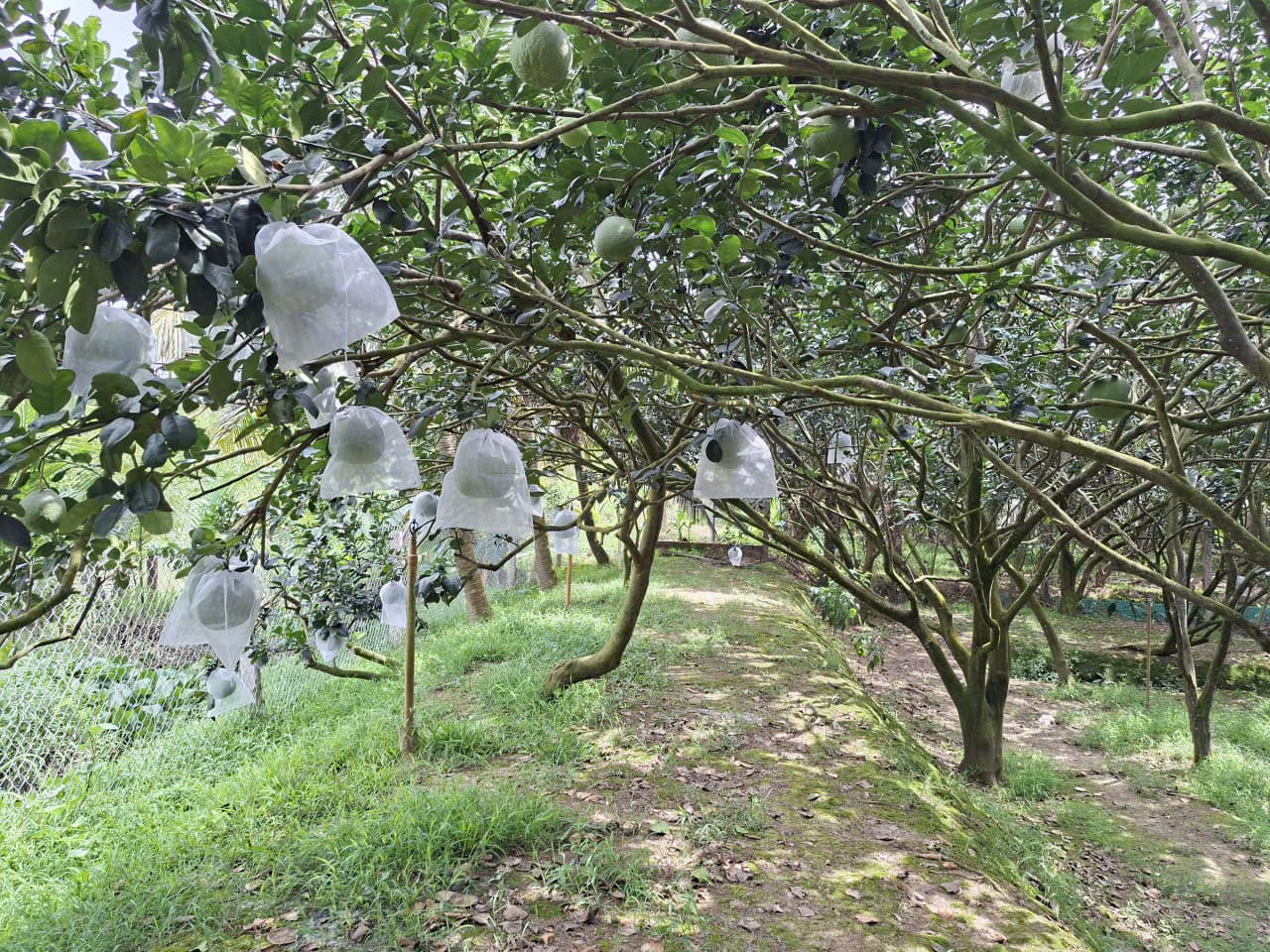
For tropical citrus exporters operating in the humid conditions of Southeast Asia, managing intense pest pressures—such as Tephritid fruit flies, leafminers, mealybugs, and aphids—without relying on systemic and contact synthetic chemical pesticides presents a formidable, often insurmountable strategic challenge. Conventional farming models that rely heavily on chemical interventions frequently face border rejections, product recalls, and severe brand damage when subjected to European port-of-entry testing.
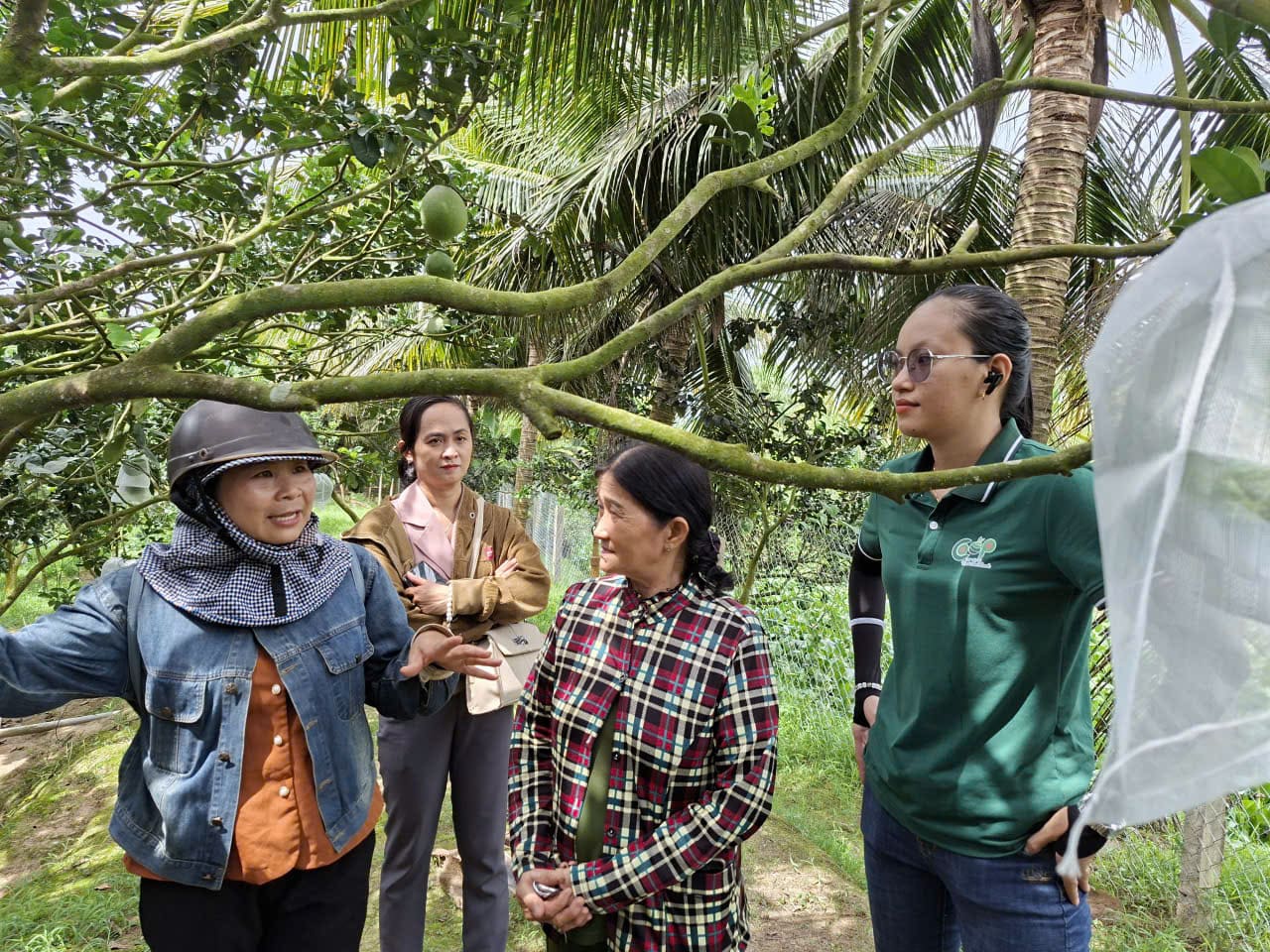
Recognizing this critical bottleneck in international trade, the Ben Tre Green Pomelo Cooperative, established in December 2016 and representing 445 farm households across more than 180 hectares in the Mekong Delta, has engineered a comprehensive structural solution. By integrating an ancient biological control method with modern agricultural compliance and traceability frameworks, the cooperative effectively eliminates the need for toxic agrochemicals while fully satisfying the complex ESG demands of modern international buyers.
The Science and Chemical Ecology of Oecophylla smaragdina
The utilization of weaver ants (Oecophylla smaragdina) is widely recognized by entomologists and agronomists as the oldest recorded form of biological pest control in human agriculture, with historical applications in Asian citrus and mango orchards dating back over 2,000 years. However, Ben Tre Green Pomelo Cooperative has elevated this traditional, localized practice into a highly standardized, scientifically monitored operational protocol designed specifically to guarantee export compliance at an industrial scale.
Weaver ants are voracious, territorial predators that actively patrol the citrus canopy, constructing intricate nests from living leaves. Yet, the biological mechanism that renders them exceptionally effective as a biocontrol agent extends far beyond mere physical predation; it is deeply rooted in advanced chemical ecology. Recent scientific olfactometer assays and electrophysiological studies have definitively demonstrated that the headspace volatiles emitted by weaver ants are highly repellent to devastating agricultural pests, most notably various species of fruit flies.
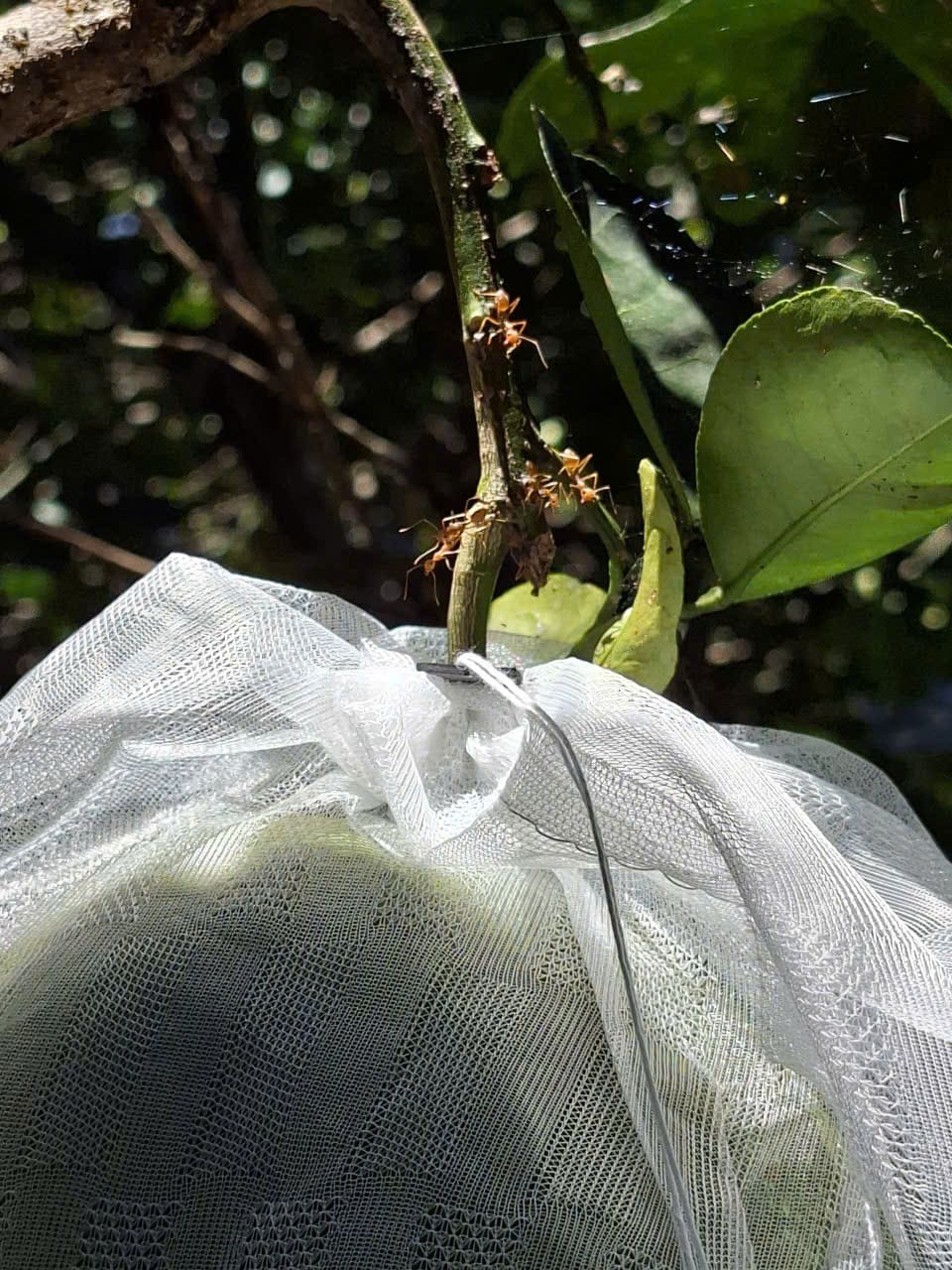
Rigorous research indicates that a specific chemical compound—1-octanol—acts as a powerful, functional kairomone component within the ants' chemical signature. When pests detect this compound, it evokes a strong electrophysiological response in their antennae, acting as a profound deterrent that significantly reduces oviposition (the process of egg-laying) and repels the pests from the orchard canopy entirely. By strategically cultivating and maintaining weaver ant colonies across its 180-hectare cooperative network, Ben Tre Green Pomelo Cooperative effectively creates an invisible, naturally self-sustaining chemical barrier. The ants naturally suppress populations of sap-sucking insects and fruit-boring pests, thereby protecting the physical integrity of the pomelo.
This meticulous biological protection allows the fruit to develop its defining characteristics unimpeded: a distinctive green and stretchy skin rich in natural oil bags, and a perfectly developed interior featuring pink flesh and crispy juice vesicles that deliver the mild, refreshing sweetness characteristic of the renowned "Dinh Lady Pomelo" trademark.
Economic and Environmental Synergy: The Definitive ESG Advantage
For corporate B2B partners, the disciplined deployment of weaver ants offers compelling, measurable advantages that extend well beyond the realm of pest control. It serves as a verifiable Environmental, Social, and Governance (ESG) credential, which is increasingly mandatory for securing retail shelf space in European and North American supermarkets.
|
ESG Pillar
|
Operational Implementation by Ben Tre Green Pomelo Cooperative
|
Impact on B2B Sourcing
|
|
Environmental
|
Complete substitution of synthetic pesticides with Oecophylla smaragdina. Integration of biobeds to manage any necessary organic treatments safely.
|
Guarantees compliance with EU MRLs (<0.01 mg/kg). Protects groundwater and promotes local biodiversity.
|
|
Social
|
Ensuring the health and safety of 445 farm households by eliminating exposure to toxic chemicals. Fostering equitable, fair-trade cooperative economics.
|
Provides a transparent, ethical sourcing narrative. Eliminates the reputational risk of exploiting agricultural labor.
|
|
Governance
|
Strict adherence to a 4-step internal audit system. Attainment of VietGAP, GlobalGAP, and 4-star OCOP certifications.
|
Offers total traceability. Sourcing managers can audit the entire "Farm-to-Fork" journey digitally.
|
The primary commercial benefit of this biological control system is the absolute assurance of chemical safety. Because the ants manage the pest load naturally, the approximately 700 tons of pomelos harvested annually by the cooperative consistently pass the strictest independent laboratory verification tests. Furthermore, comparative cost-benefit analyses conducted in Southeast Asian citrus plantations have proven that biological control via weaver ants is not only ecologically sound but highly economically viable. Studies in Vietnamese mixed pomelo orchards demonstrated that the drastic reduction in chemical pesticide costs associated with ant treatments generated a statistically significant profit increase of 47% compared to conventionally treated, chemically dependent plots.
This enhanced financial stability ensures that the cooperative's farmer-members in Chau Thanh and Cho Lach districts maintain sustainable, multi-generational livelihoods. For a Sourcing Manager, a financially stable supplier is a reliable supplier, immune to the wild fluctuations of agrochemical input costs.
Securing the Supply Chain for Premium International Markets
The integration of Oecophylla smaragdina is not an isolated, anecdotal practice; rather, it is a core, structurally integrated component of the Ben Tre Green Pomelo Cooperative's broader GlobalGAP and VietGAP certified agricultural framework. For sourcing managers seeking high-volume, reliable wholesale green skin pomelo from Vietnam, this biological approach provides the ultimate empirical social proof.
By choosing to partner with an organization that champions natural ecological practices over short-sighted chemical reliance, international buyers secure a product that is visually and texturally superior—meeting export standards with an optimal Brix level and an extended shelf life suitable for long-haul sea freight—while also acquiring a transparent, highly marketable brand narrative. The Ben Tre Green Pomelo Cooperative does not merely export a premium citrus commodity; it exports a verified, audited commitment to human health, social equity, and the preservation of the Green Planet.